


Happy Friday, globetrotting antiquarians, armchair travelers, and anyone currently trapped in an airport Wetherspoons. It's time again for the weekly dispatch from By Their Own Compass, your trusted source for historical wayfinding and waylosing, vicarious adventuring, and unapologetically niche enthusiasm. This week: an Italian seaside city that is — shockingly — not overrun with tourists (for now), a poignant memoir about trains and growing up in China, a Parisian guidebook written by someone infinitely cooler than whoever you traveled with last to France, and one of those historically complicated anniversaries that was a big deal at the time and where all the wrong people got the recognition.
The Italian City That Tourists Forget (Thank Goodness)
Venice gets the gondolas, Florence gets the galleries, and Rome gets an American pope, but Genoa? Genoa mostly gets overlooked. While the rest of Italy is collapsing (or, in the case of Venice, slowly sinking) from the tonnage of influencers and their followers, Genoa remains mercifully ignored.
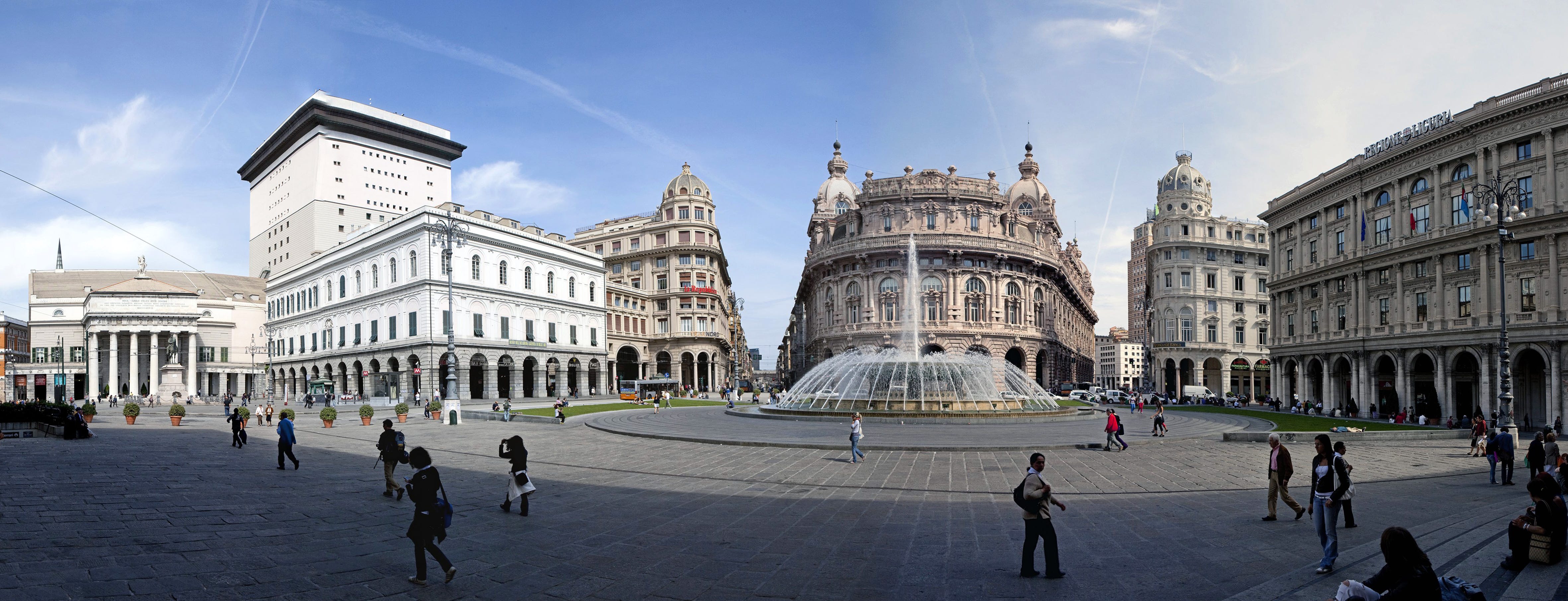
Once a financial and maritime powerhouse—but now too often dismissed as a cul-de-sac on the way to Cinque Terre—Genoa has all the windy staircases, magnificent palazzi, and seafood-laced noodle dishes that you could ask for. Huw Oliver makes a strong case in The Times that the city is worth a stop, even if you're on the way somewhere else.
Trains, China, and Family Journeys
Readers of The New Yorker will already be familiar with writer Zha Jianying's excellent reporting on life and society in her home country of China, as well as her poignant essays on what it means to be Chinese living in America. She has recently published a serialized five-part memoir, "Trains: A Chinese Family History of Railway Journeys, Exile, and Survival," on ChinaFile.
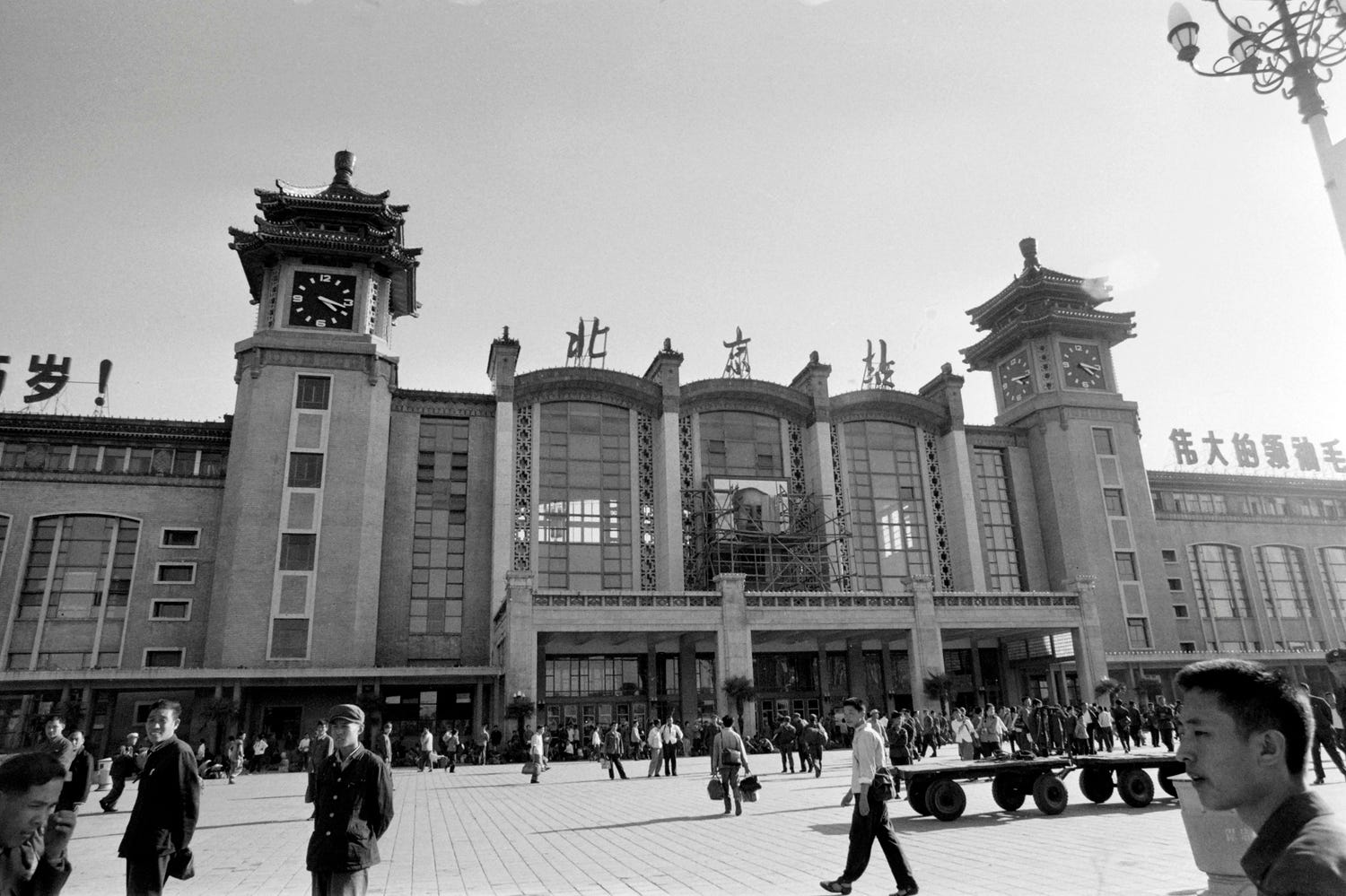
It's a haunting meditation on family, politics, and the strange geography of nostalgia. Sometimes the journeys we take last only a few hours, and others transport us across generations.
Paris According to Uncle Ollie
Speaking of generations, Dodai Stewart recounts in The New York Times how she followed in the footsteps of her great-uncle, Ollie Stewart. Uncle Ollie was a war correspondent, bon vivant, and in 1953 published Paris Here I Come!, a travel guide to Paris for Black Americans.
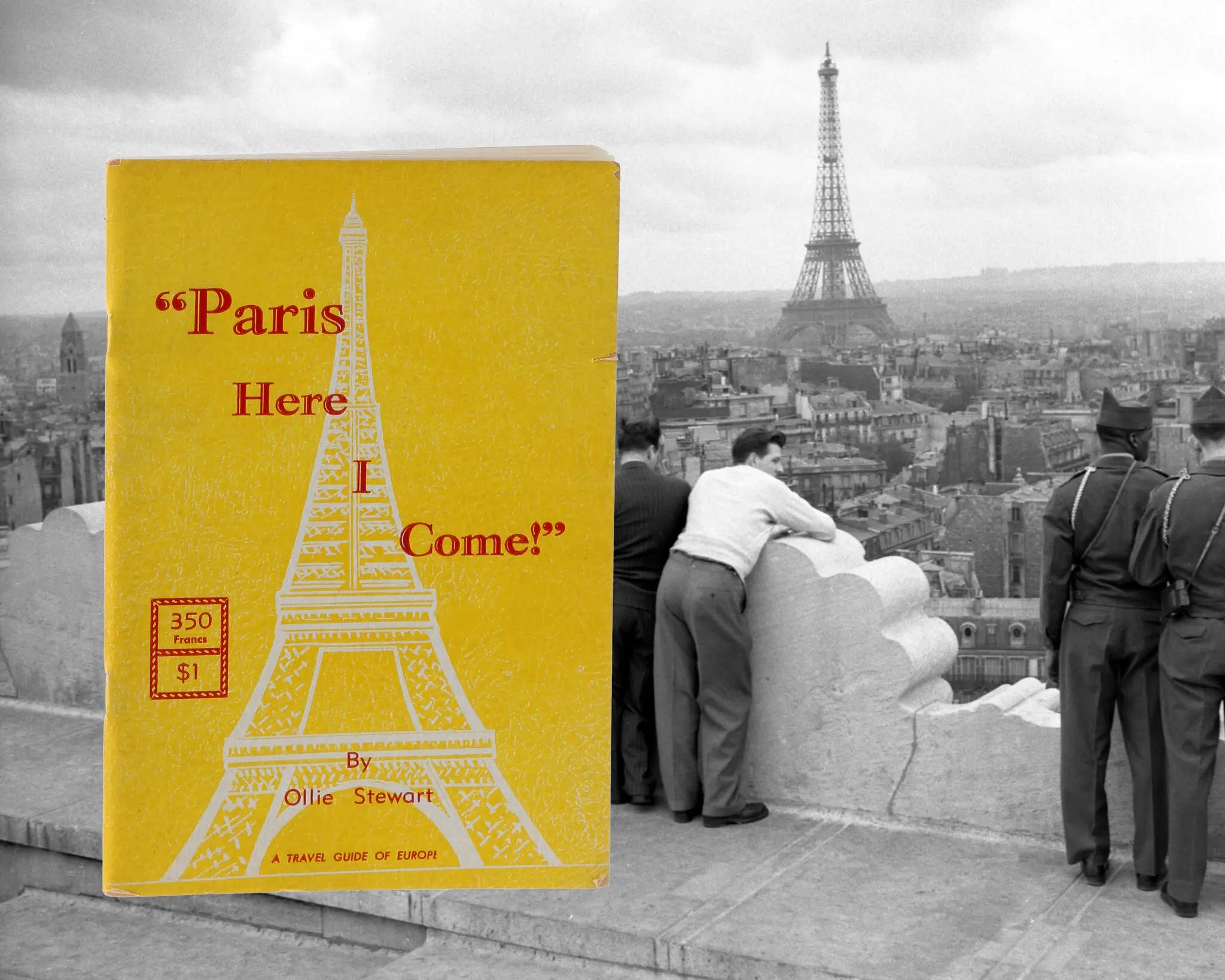
Dodai Stewart follows her great-uncle's footsteps through the Paris of today. Some of her uncle's suggestions are timeless ("pack light," "drink champagne"), while some of Ollie Stewart's recommendations for risqué entertainment have long since closed down—probably for the best, given what we know about 1950s cabaret hygiene. The younger Stewart also reflects on what Paris meant for Black American travelers of her uncle's generation, visiting a city that, unlike the country they left behind, did not segregate its cafés or restaurants.
We'll take a kir royale and a seat at Le Dôme, please. And yes, Uncle Ollie, we promise not to overtip.
The Golden Spike: America's First Photoshopped Moment
This week is the anniversary of the "Golden Spike," and no, that's not a show that Ollie Stewart might have attended during his sojourns in the Paris demimonde of the 1950s. On May 10, 1869, as a group of workers and men wearing important hats looked on, Leland Stanford lifted a hammer at the euphoniously named Promontory Summit, Utah Territory, intending to drive the ceremonial "last" spike home, thus completing the transcontinental railway across the United States.
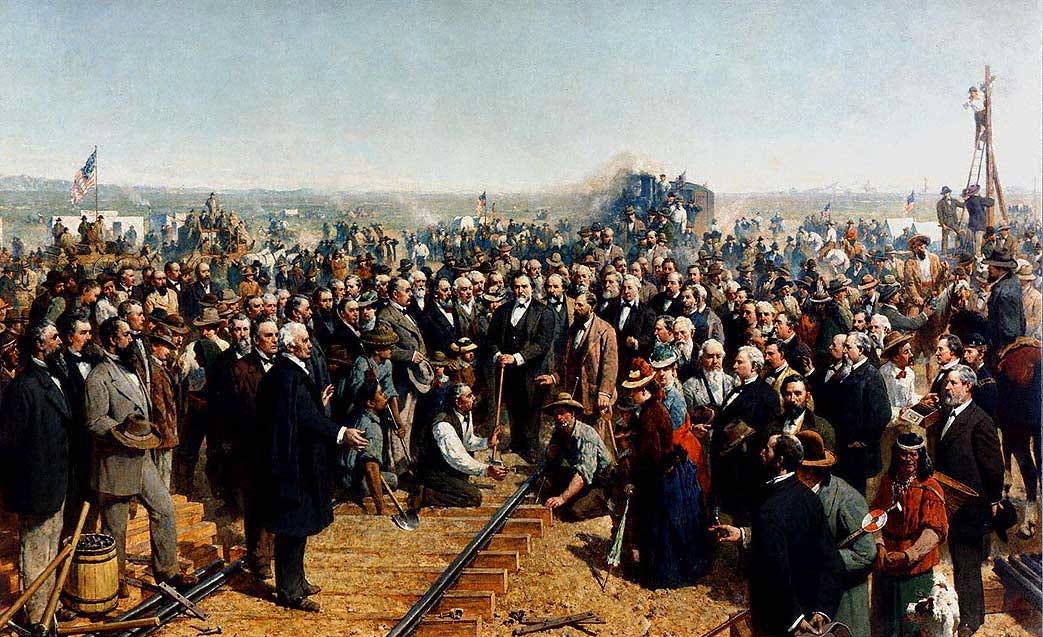
History suggests that Stanford missed his mark twice, but didn't let that technicality stand in the way of a historical moment, ordering a telegraph sent out at once proclaiming the job "DONE.” The great railroad project manifested a destiny and united a nation by steel, sweat, blood, and a great deal of Chinese labor that was politely left out of the photographs. Nothing says "united country" quite like selective racism.
The spike itself, now displayed at Stanford University (founded by the aforementioned poor hammerer), was engraved with the modest sentiment: "May God continue the unity of our Country, as this Railroad unites the two great Oceans of the world." One assumes the Pacific and Atlantic were quietly chuffed at the recognition.
That's all we've got from the transit lounge at GVA. May the road rise up to meet you (except in earthquake zones), your layovers be mercifully brief, and the four winds blow you safely... to wherever you're headed. Or not. Maybe you'll wind up somewhere even cooler, which, statistically speaking, is highly likely if you're currently reading this in Luton.
The By Their Own Compass Team