


Greetings from Budapest, where your correspondent has spent a week wandering neighbourhoods that wear their scars like vintage jackets, beautifully broken in. Never has entropy and decay looked so good. Except for Keith Richards standing in profile.

Budapest isn't immediately, viscerally gorgeous in the way of Florence or Charleston, South Carolina. It is not pristine, especially up close. And that’s okay. It is a faded photograph, taken in just the right light, carelessly crumpled, then unfolded and stretched across two sides of the Danube River. There is no maniacal obsession with cleanliness and order. This isn't Singapore or Switzerland.

An astounding number of Budapest’s buildings are protected as historic landmarks. Ironically, this makes many of the oldest and most important facades expensive to maintain and fix. Even painting over the colourful and inventive, but omnipresent, graffiti requires an application process…so why bother? Especially when the expressive little scamps will just spray paint it again. Something there is about a wall that demands a crude political slogan or, at the very least, an artistic rendering of the male genitalia.*
We are based in Pest, on the eastern bank of the River. Budapest has, for much of its history, been at least two cities divided by the Danube. There is Buda (west bank, hills, castles, defensible) and Pest (east bank, flat, flood plains, easy to pillage and sack). They were all officially merged in 1873 to form Budapest. Before then, locals cheerfully flip-flopped between the names Pest-Buda and Buda-pest depending on which bank of the Danube they happened to be living at the time.
According to local legend, when it came time to produce an official survey of the combined city, the makers realized the resulting map would be read left to right with north at the top. Sensibly, they decided to list the western city first. Hence, Buda-Pest. Whether this is true or merely the sort of urban myth that sounds plausible enough to repeat at dinner parties and walking tours, we cannot say. But cartographers throughout history have well understood the importance of branding.**
We didn't spend much time on the Buda side of the river. We enjoyed the hills and the charming medieval town. There is a palace that's now a rather cavernous art museum, and a Hilton that someone in 1977 thought would look absolutely brilliant perched atop Castle Hill, absorbing what was left of a medieval cloister, and disguised as a castle straight out of Shrek. It's all perfectly fine, but a trifle staid and touristy. We much prefer Pest. Pest is fun. Pest is a mess. Pest is your granddad’s youngest sister, who almost certainly dated Keith Richards, started vaping at age 68, and likes to drink at her London local with boisterous young members of visiting rugby teams.
Like Aunt Linda, Pest is the best.***
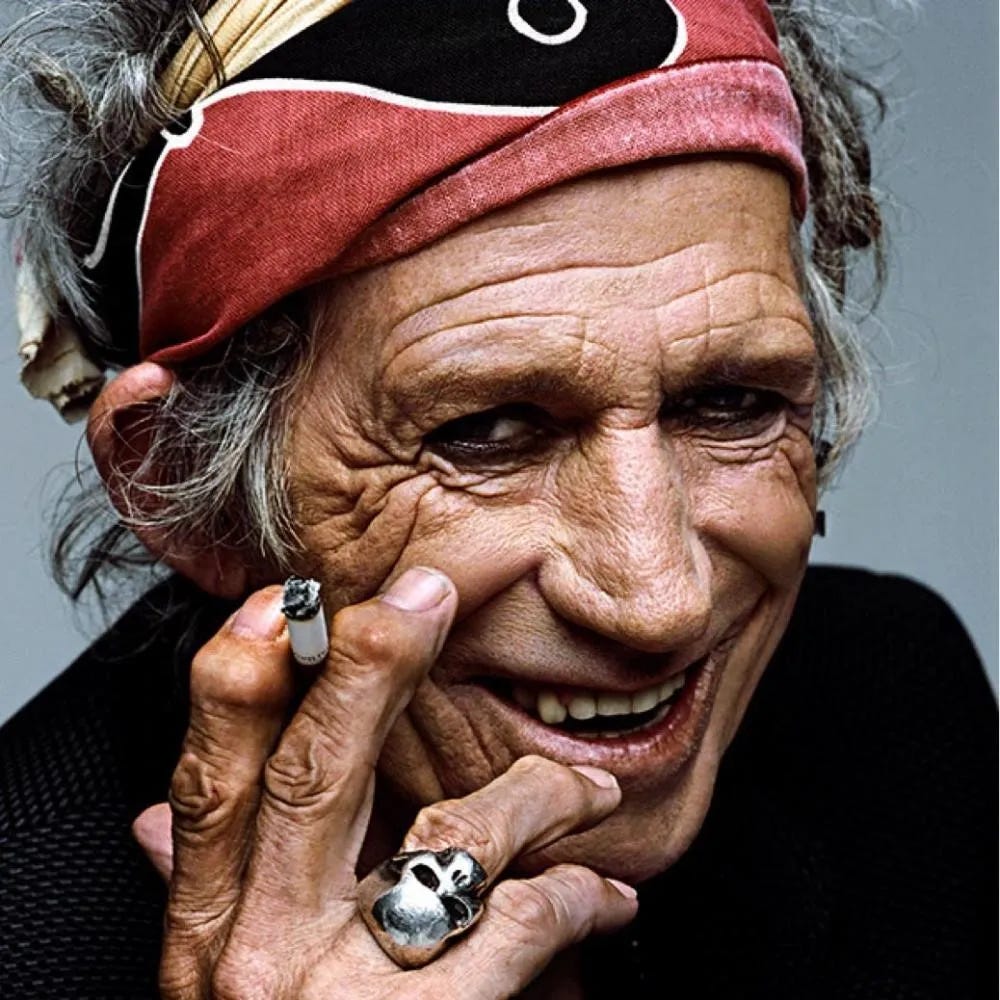
Rather than seeming merely run-down, Pest’s neighbourhoods wear their patina of age and graffiti with a peculiar dignity and style. It's the difference between a distinguished gentleman who confidently inhabits threadbare vintage threads, decades out of date and carrying the cigarette scorch marks of a party in 1978, yet still knows how to make an entrance, and the bloke who waddles into the pub wearing the same stained polyester windcheater he's had since technical college. One has given up on life. The other is Keith Richards. Pest is very much Keith Richards.****
The city's famous ruin bars exemplify this contradiction perfectly. These are literal holes in the wall whose décor could best be described as "somebody bombed a yard sale.” The first, Szimpla Kert, opened in 2002 in a derelict factory in District VII with a revolutionary formula: abandoned space + scavenged furniture + oddball art = pub. We approve. There really is no better Budapest experience than getting lit like the Hungarian Parliament building at night and discussing the compositional genius of Vilmos Zsigmond, whilst sitting on a bathtub repurposed as a chair.

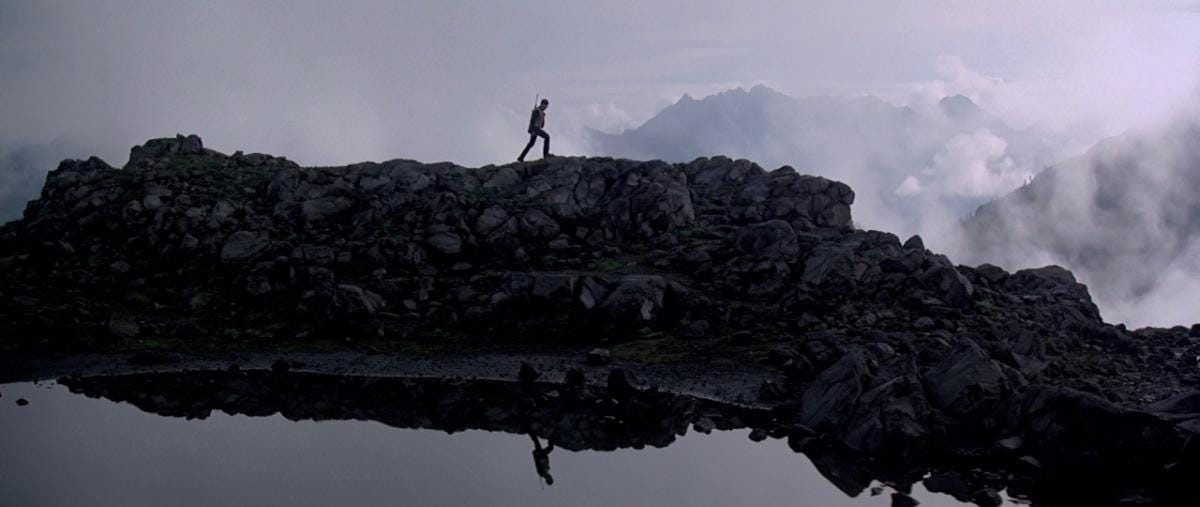
This well might be the Pálinka kicking in, but the intimate dance between entropy and beauty perhaps explains why Budapest has produced so many renowned photographers and cinematographers, including Zsigmond. Robert Capa. André Kertész. László Kovács. Budapest shaped their craft. Light/Shade. Decay/Survival. Upheaval/Resilience. These artists didn't happen here by accident.
Goodness, this stuff is strong. Another, you say?
That's all from the Danube, where we continue to appreciate cities that understand the difference between preservation and embalming, even as we ourselves are getting more than a bit pickled.
*We may have cribbed this from an early draft of Robert Frost.
**Just ask Amerigo Vespucci.
***We know that doesn't rhyme properly, unless, that is, you’ve just been drinking a lot of Pálinka.