


Jeremiah has decided to brave political instability and hostile locals to journey back to his homeland, the United States of America. This is not a popular destination this summer.
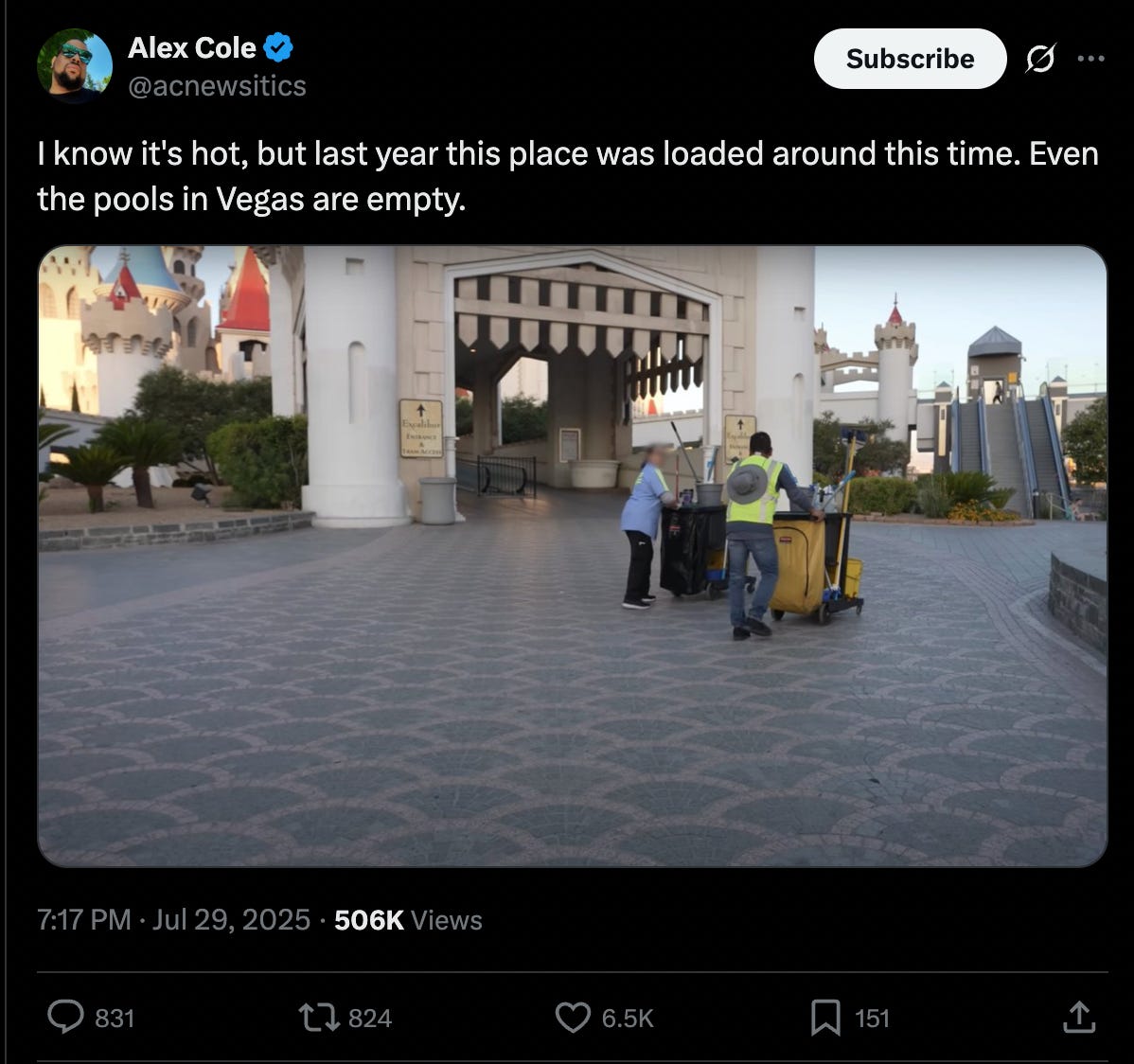
It seems many tourists are somewhat concerned about travelling to a nation actively trying to throw people out for reasons like "illegally crossing a border that once illegally crossed their ancestors," "having hard-to-read tattoos," and "being able to pronounce 'jalapeño' correctly."
Fortunately, Jeremiah is ensconced in one of those pockets that exist just outside the clutches of the regime—the restive province of Vermont, or as it's known in the White House, the People's Republic of Berniesanderstan. He is also doing rather a lot of motoring, an activity and skill not much practised on his usual patch in Central Europe, where, unlike America, countries have things like sensible rail networks and proper public transport.
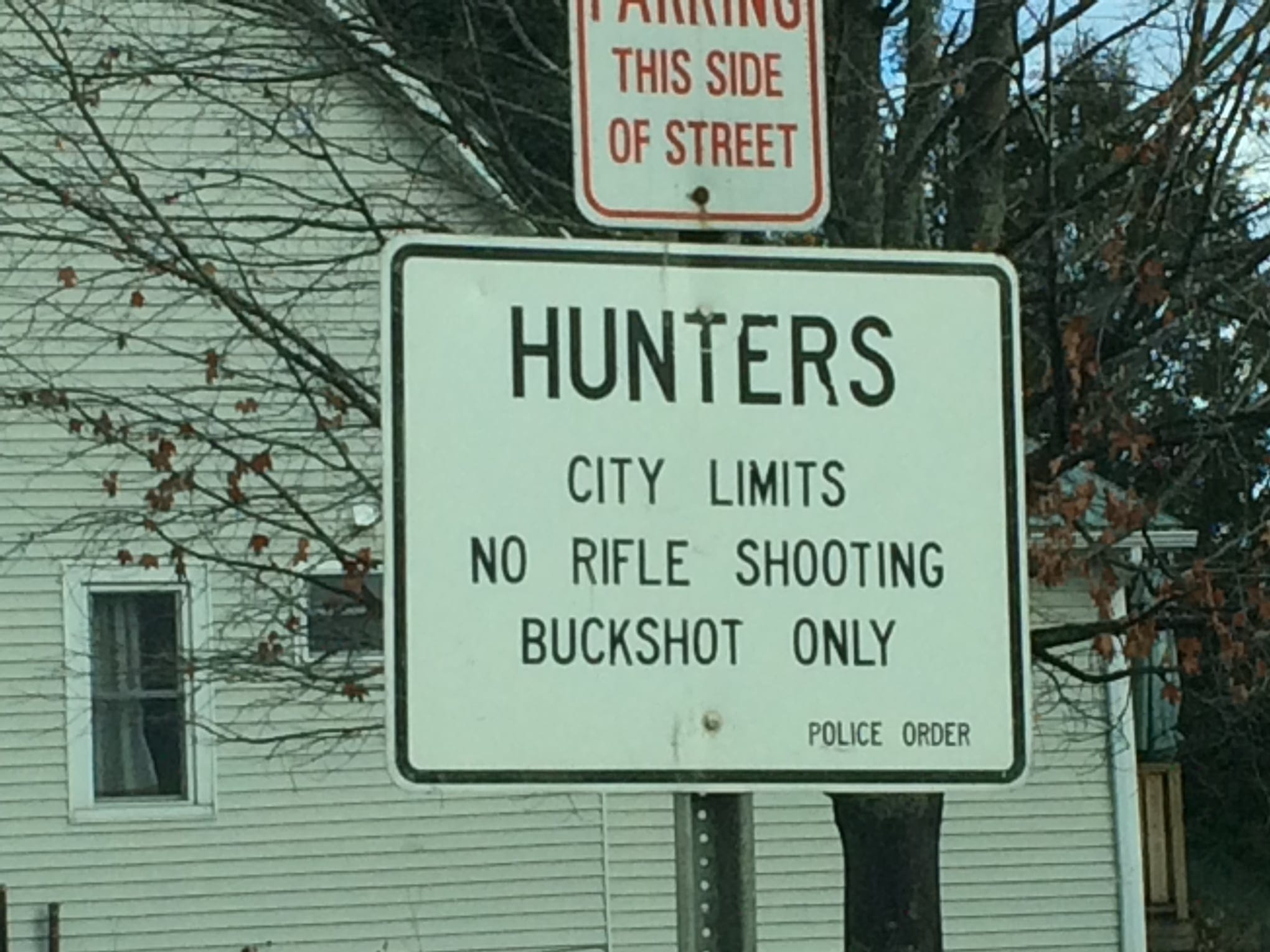
This is an actual sign at the city limits of the state capital of Vermont. #Murrica
It is fitting then, as he motors along endless miles of tarmac punctuated by service stations flogging petrol, off-licences (looking at you, New Hampshire), and boxy establishments dispensing dribbly food and sugary beverages out of drive-through windows, that this week's edition of Compass Dispatches spares a thought for the development of America's Interstate Highway System.
On June 29, 1956, President Dwight David Eisenhower signed the Federal-Aid Highway Act, kicking off the biggest road-building project since the Romans went absolutely barmy across Europe. The U.S. Interstate Highway System would eventually stretch over 48,000 miles, linking cities, shrinking small towns, and creating the cultural conditions necessary for the emergence of both McDonald's and True Crime Podcasts.
Ike was inspired by the German autobahn, which tells you everything about Cold War priorities: build a system fast enough to evacuate a city and smooth enough to transport a nuclear warhead. America used it for family holidays and to connect suburban idylls and urban offices, which probably wasn't what Eisenhower had in mind, but best laid plans and all that.
The Interstate made the modern road trip possible. Without it, there'd be no truck stop apple pie, no cross-country existential crises, and no reason to ask "Are we there yet?" in five different states whilst slowly losing the will to live.*
Also, where would we be musically without the inspiration long drives through America provided to such well-known turnpike troubadours as Bruce Springsteen and Slough’s own David Brent?

Finally, the Interstate System created the phenomenon of interstate service stations—those liminal spaces where the air conditioning is strong, the plentiful restroom stalls smell like bad decisions, and the gift shop is full of T-Shirts with fun slogans like “TRY THAT IN A SMALL TOWN,” “MY OTHER CAR IS A BALD EAGLE,” and “ALABAMA STATE CORN HOLE CHAMPION.”** These temples to automotive convenience represent everything that's simultaneously brilliant and ghastly about American infrastructure: efficient, ubiquitous, and an epic mash-up of unbridled confidence and soul-crushing uniformity.
Now, if you’ll pardon us, in the immortal words of David Brent, the love is free, but the freeway's long.
Until next time…
*Or worse, a single state. Your correspondent has motored from coast to coast across the United States three times, and each time it felt as though 75.4% of the journey was spent crossing Nebraska—a state so relentlessly horizontal it appears designed to test one's commitment to the very concept of westward travel and our belief in a functioning relationship between space and time.
**We had to google the phrase “corn hole”, a decision we and our browser history instantly regretted.