


Welcome to this week's Compass Dispatch, where we celebrate humanity's eternal determination to go places—whether driven by scholarly curiosity, polar obsession, or the revolutionary idea that families might enjoy paying exorbitant prices to wait in queues while dressed as cartoon characters.
Your correspondent is in Boston this week, wondering why people insist on carrying everything they own onto the plane. Airlines lose luggage—we've all had our share of bags disappear into pocket dimensions, fed to wild dogs, or mysteriously waylaid to destinations unknown. There was also the time Swiss Airport police had to retrieve our bag from a gentleman hailing from a certain misty island who made a living diverting enticing-looking luggage off the baggage claim and away from its original owners.
Checking bags is undeniably risky, and everyone loves breezing through baggage claim while throwing side-eye at the poor souls who fell for airline propaganda and now must begin their vacations staring plaintively at an automated belt, wondering if their belongings will ever reappear or have, in fact, been fed to wild dogs.
We were like that too, at one point. The last few years, however, we've started rethinking our previously firm—nearly theological—position on never checking bags. Sometimes it just makes sense, and there's a compelling common good argument as well.
These days, when flying non-stop without anything immediately pressing upon landing, we're checking the suitcase. Sure, our Away suitcase is designed by elves to fit any airline, even the carry-on martinets at RyanAir and EasyJet, but it's still a suitcase. Since we don't usually fly business class, there is some genuine stress in standing at the back of the Boarding Group 4 herd, wondering if there will be overhead bin space. We rather prefer not worrying and lounging at the gate until our boarding group is called, armed only with a small backpack for laptops and the items we'd prefer not get stolen, lost, or, again, eaten by wild dogs—but which fits easily under the seat.
It leads us to wonder just how many departures are delayed—and flight attendants immediately switched into "Just get me through this flight" mode even before takeoff—because passengers jam the aisle desperately stuffing suitcases, backpacks, laptop cases, jackets, tote bags, shoes, tennis rackets, small dogs, and the Epstein Files into limited bin space?
So here's our modest proposal: carry on when you must. Tight connections, going straight from airport to meeting, flying through the luggage black hole that is Frankfurt—plenty of times carry-on only makes sense. But otherwise, perhaps do yourself and fellow passengers (not to mention the flight attendants) a small favor and check the items you might otherwise cram into the bins. You'll be more relaxed, and while nobody will thank you, there's contentment in fulfilling the social contract and making everyone else's travel experience slightly more civilized.
What do you think? Are you a Never-Checker? A selective checker? Let us know in the comments below.
Now onto the dates in travel history from this past week.
July 15, 1613 – The Birth of China's Ultimate Field Researcher

While most 17th-century scholars were content to debate philosophy from the comfort of their studies, Gu Yanwu (顾炎武) had rather different ideas about how to understand the world. Born on July 15, 1613, in Kunshan, this remarkable Chinese thinker pioneered what we might now recognize as "travel-based research"—the radical notion that if you want to understand a place, you should probably visit it.
Gu Yanwu was having none of the prevailing Neo-Confucian orthodoxy that dominated Chinese intellectual life. While his contemporaries engaged in increasingly abstract theoretical debates, Gu insisted on empirical investigation. He spent decades traveling throughout China, documenting local customs, examining historical sites, and collecting evidence for his scholarship. His masterwork, Record of Daily Knowledge (Rizhi Lu), was compiled from years of firsthand observation across the Chinese landscape. He understood something that modern travel writers occasionally forget: the best journeys change not just where you are, but how you think.
July 16, 1872 – The Ultimate Polar Overachiever
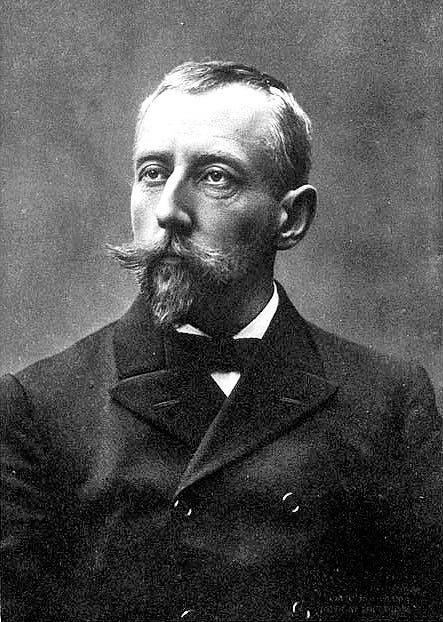
Roald Amundsen was born on July 16, 1872, with what can only be described as a pathological need to go places where sensible people fear to tread. While most of us consider a long weekend in the countryside sufficiently adventurous, Amundsen made a career of visiting the planet's most inhospitable real estate.
His résumé reads like a polar explorer's fever dream: first to navigate the Northwest Passage, first to reach the South Pole, and—because apparently two impossible achievements weren't enough—he later flew over the North Pole in an airship. The man collected "firsts" in polar exploration the way some people collect frequent flyer miles.
What set Amundsen apart wasn't just courage (though he had that in abundance), but his approach to expedition planning. While his British contemporaries like Robert Falcon Scott approached polar exploration with a distinctly amateur enthusiasm—bringing ponies to Antarctica and motor sledges that promptly broke down—Amundsen treated it as an engineering problem requiring the right tools, techniques, and indigenous knowledge.
He learned from the Inuit, mastered dog sledding, and understood that successful polar travel required abandoning European preconceptions about how things should work in favor of methods that actually worked. It's a lesson that applies to more than just polar exploration: sometimes the best way to reach your destination is to listen to people who've been there before.
July 18, 1908 – The Woman Who Walked America
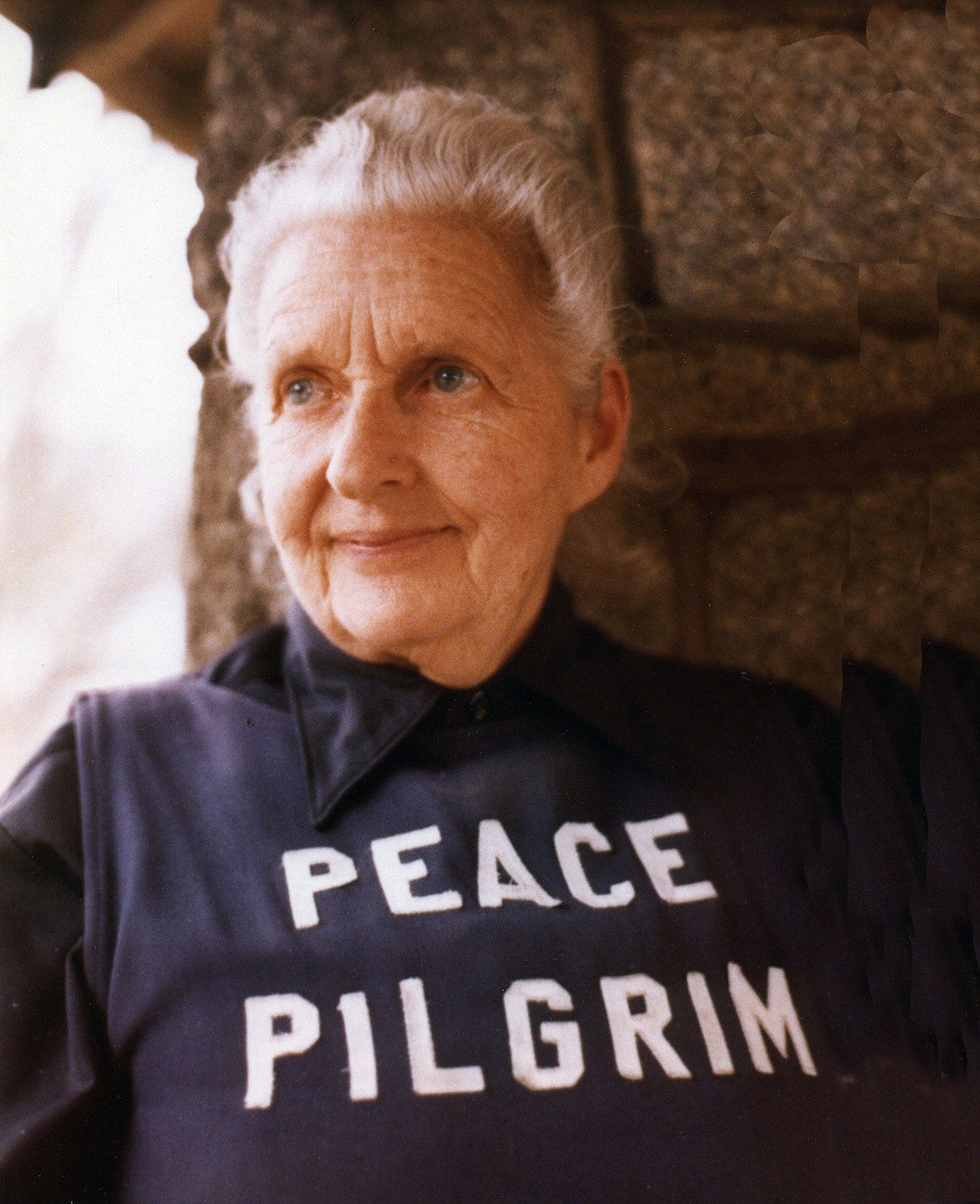
Born Mildred Lisette Norman on July 18, 1908, the woman who would become known as Peace Pilgrim chose perhaps the most ambitious travel itinerary in American history: she would walk across the United States until "mankind learns the way of peace."
Her travel philosophy was breathtakingly simple: carry no money, accept no payment, own only what fits in your pockets, and depend entirely on the kindness of strangers. While most of us pack enough electronics to power a small village for a weekend trip, Peace Pilgrim walked 25,000 miles over three decades carrying essentially nothing—making modern "minimalist packing" guides look positively materialistic.
July 17-18, 1955 – When Orange Groves Became the Magic Kingdom
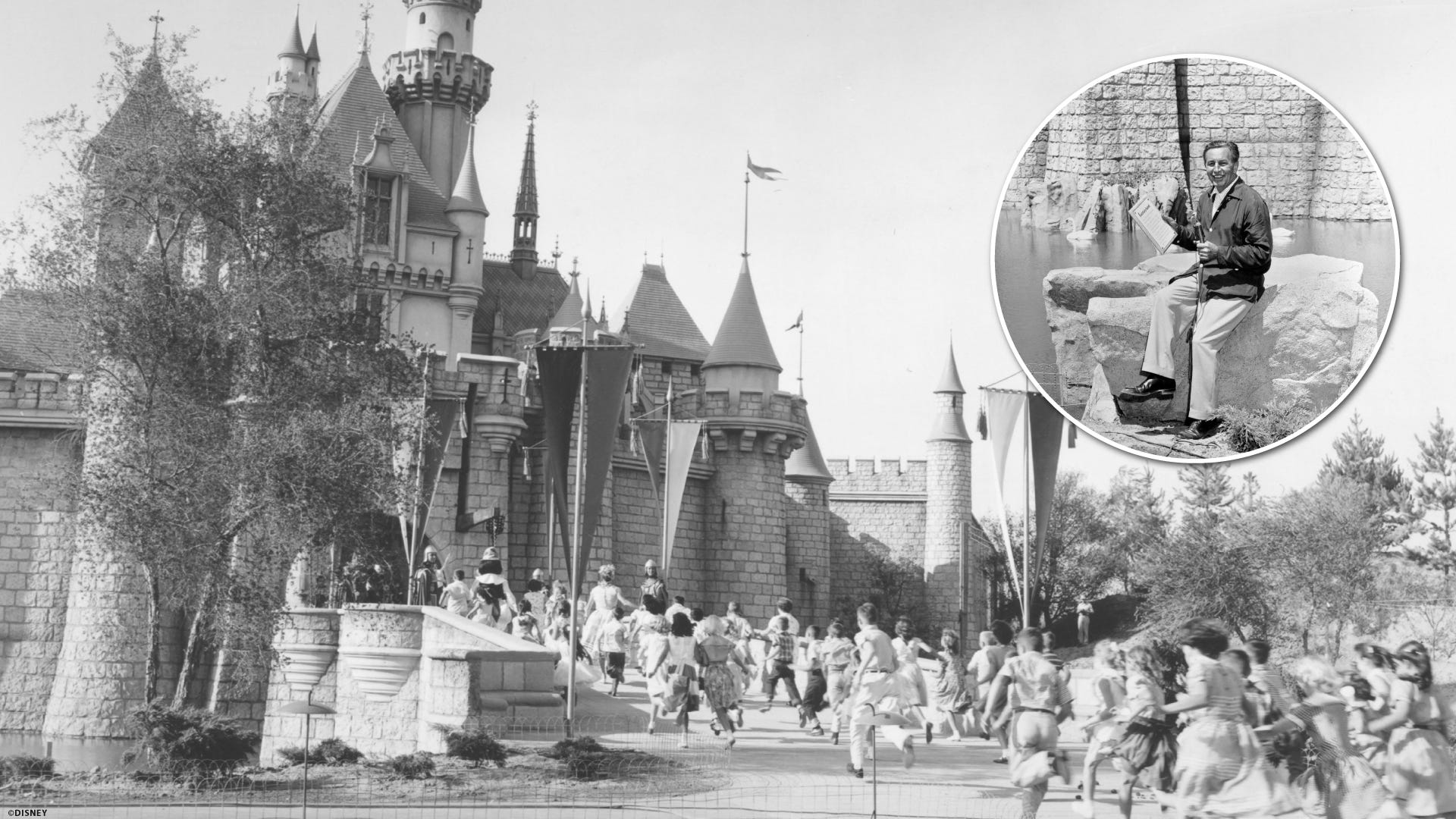
On July 17, 1955, Disneyland held its "International Press Preview"—a day that would go down in theme park history as a masterclass in how not to launch a major tourist destination. The asphalt was so fresh it hadn't properly set, leaving women's high heels permanently embedded in Main Street USA. The drinking fountains didn't work because of a plumber's strike (leading to persistent but false rumors that Walt Disney chose profits over hydration). Counterfeit tickets led to massive overcrowding, and various attractions simply refused to cooperate with the laws of physics.
Yet when the gates officially opened to the public on July 18, something remarkable happened. Despite the chaos, despite the heat, despite queues that would make a Brexit passport line seem swift and efficient, families kept coming. It represented a new form of travel destination—not a place you visited for its natural beauty or historical significance, but for its ability to create an entirely artificial experience that felt more real than reality. It was perhaps the first destination designed specifically for tourism rather than adapted for it.
That's all from our historically-minded headquarters, where we continue to marvel at humanity's capacity for both sublime and ridiculous travel choices.
May your journeys be as purposeful as Gu Yanwu's research expeditions, as well-planned as Amundsen's polar conquests, as transformative as Peace Pilgrim's walks, and only slightly less chaotic than Disneyland's opening day.
Until next time, we remain your correspondents in the grand adventure of going places,
—The By Their Own Compass Team
If this newsletter reminded you that travel has always been equal parts inspiration and logistical nightmare, do pass it along to someone who might appreciate learning that even Walt Disney couldn't make the trains run on time on opening day.