


Happy birthday to David Livingstone, born March 19, 1813, in Industrial Revolution Scotland—a place and time you wouldn't recommend as ideal childhood conditions unless your hobbies included lung disease and premature aging. Even Dickens would have been like: Nah, too depressing. By age ten, Livingstone was enduring fourteen-hour shifts at a cotton mill but found time to teach himself Latin, theology, and natural sciences.
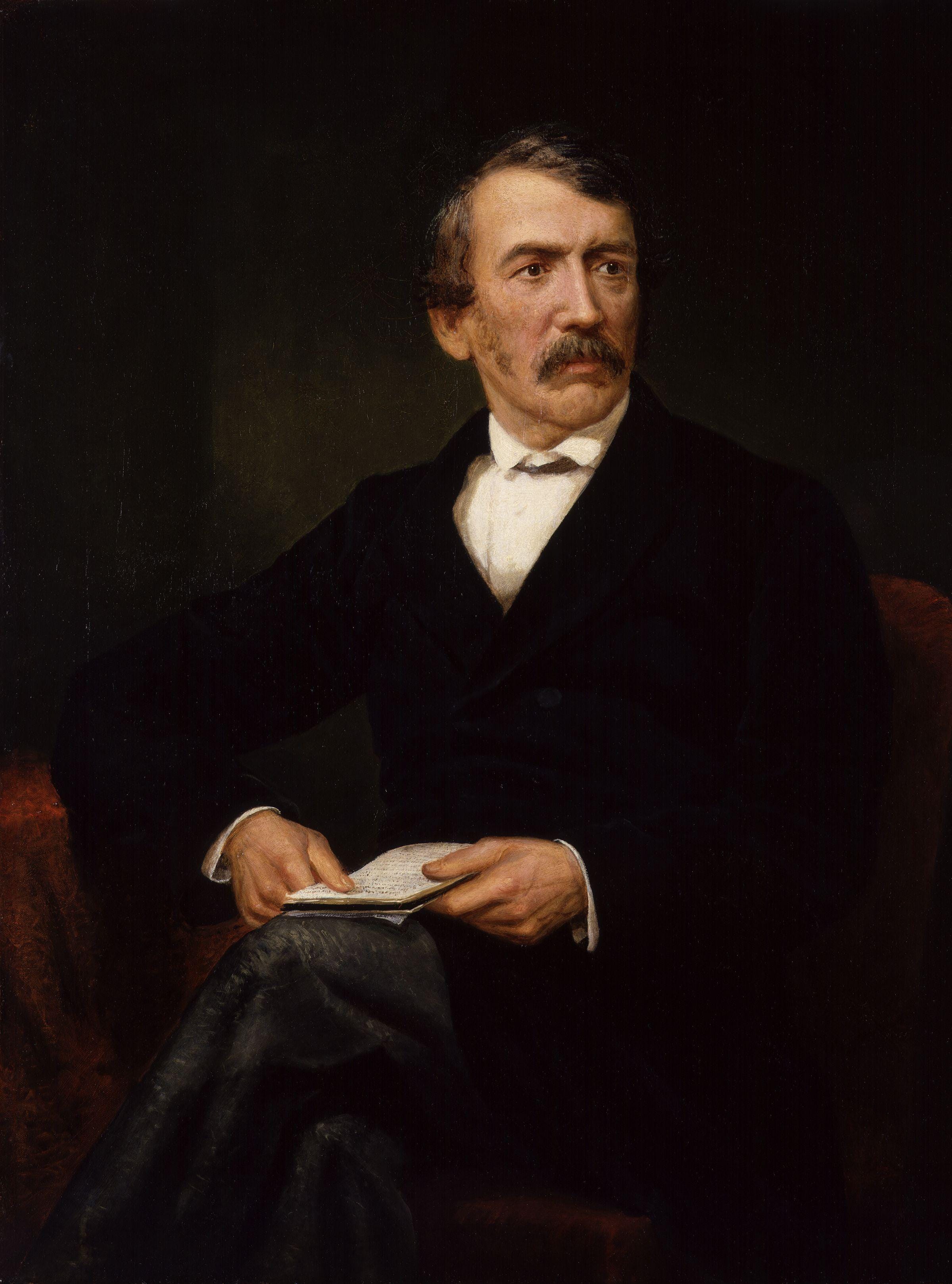
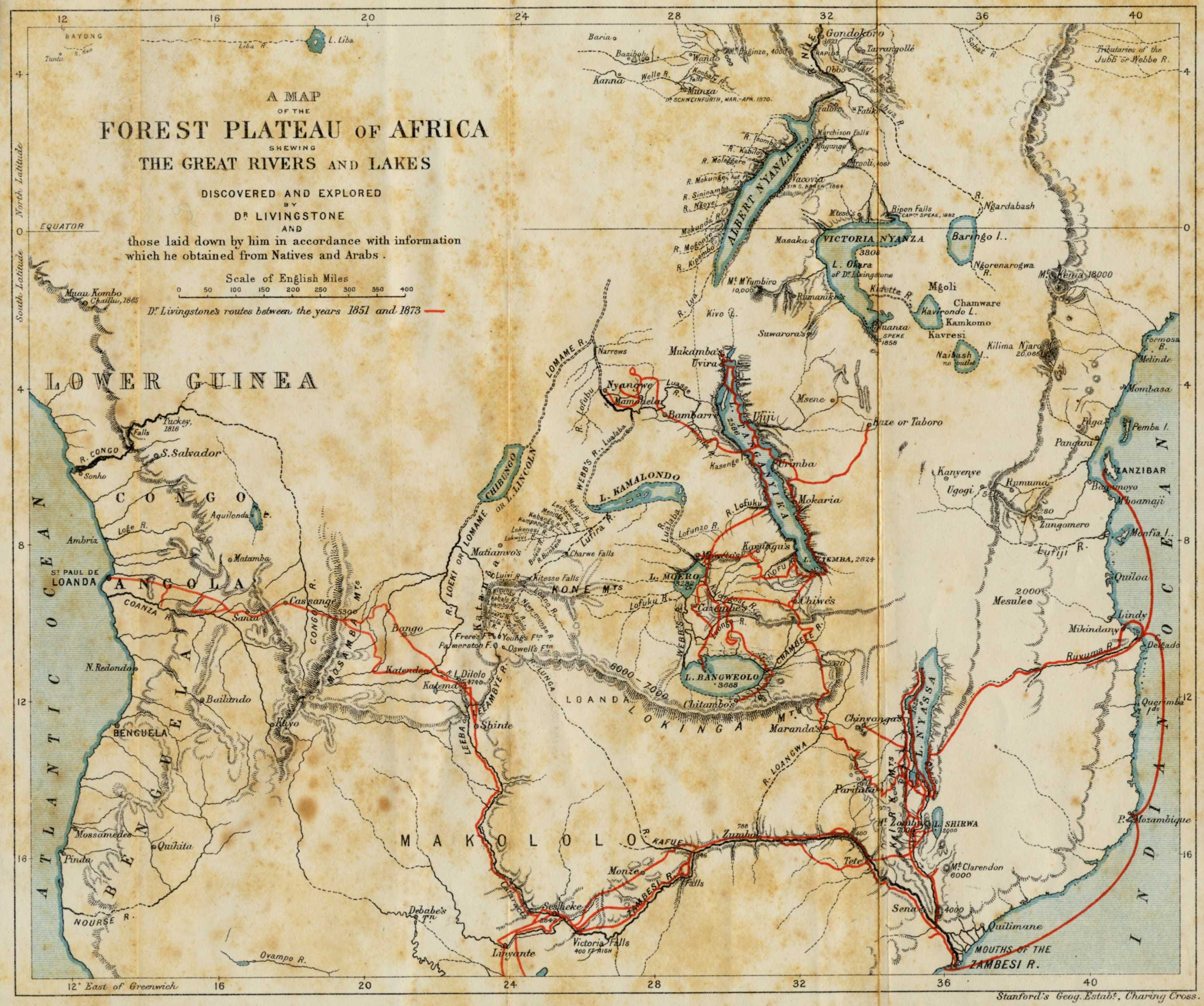
Livingstone spent the next three decades crisscrossing Africa, mapping new territories, occasionally inaccurately; converting locals to Christianity, occasionally ineffectively; and fighting the East African slave trade, unquestionably heroically. Witnessing this brutality firsthand, Livingstone became one of Britain's most inconveniently honest abolitionist voices.
His guiding principles—Christianity, Civilization, and Commerce—reflected some profoundly colonial assumptions about bringing Western enlightenment to Africa, though, in fairness, Livingstone was far less patronizing than most other Victorian-era members of the Royal Geographic Society, clearing a bar not precisely set at Olympian heights.
That said, unlike many of his contemporaries, Livingstone learned local languages, formed meaningful relationships with African communities, and frequently acknowledged the importance of indigenous knowledge. He was the type of traveler who'd ask for directions and listen to the answer, although he might eventually rename the road after a distant monarch in another country.
Despite never quite pinpointing the elusive source of the Nile, Livingstone mapped several river systems in Central Africa and earned enduring fame by becoming the first European to document the immense waterfall known to the local people as Mosi-oa-Tunya ("the smoke that thunders"), but which Livingstone christened Victoria Falls.
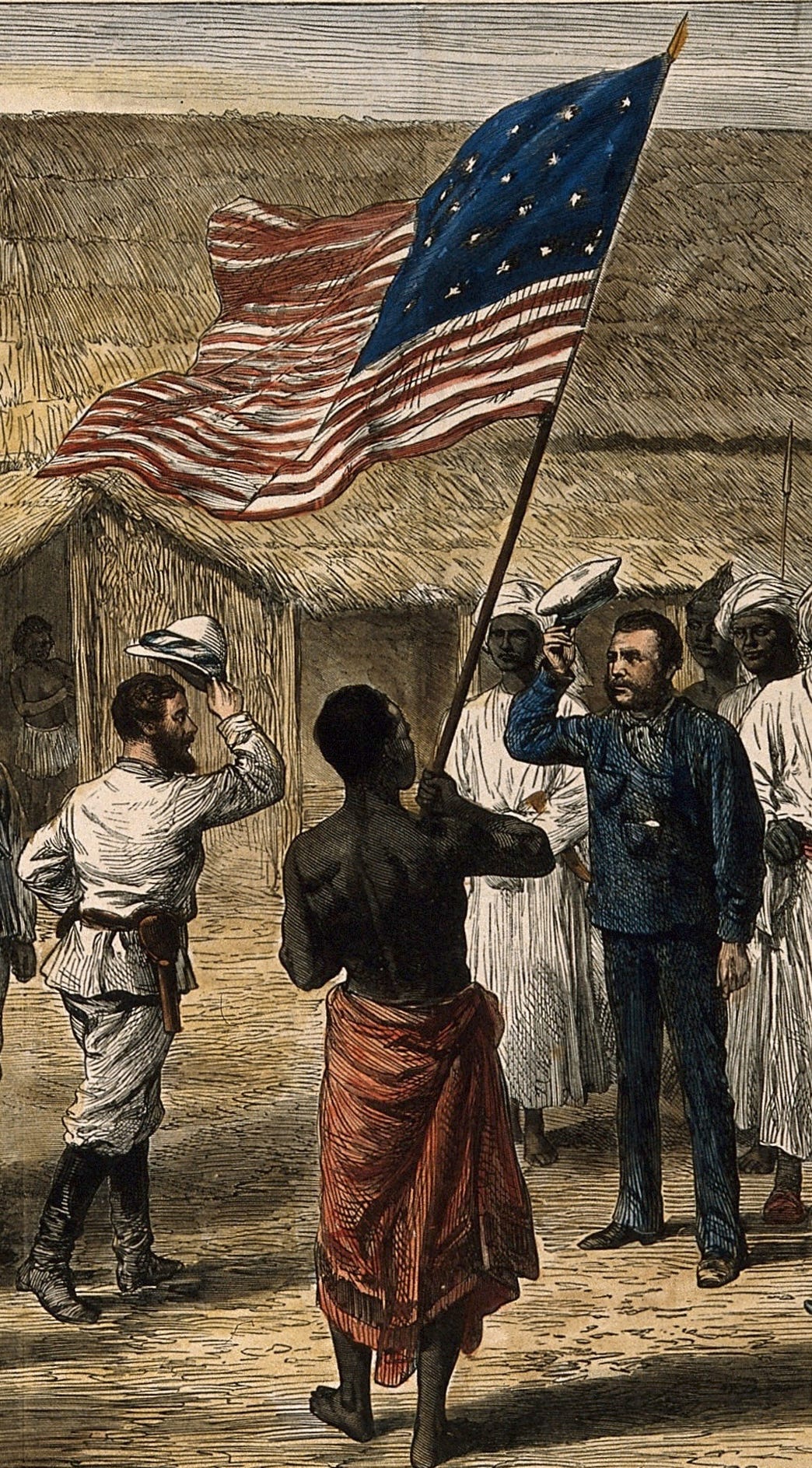
His famous "rescue" by journalist Henry Stanley, complete with the staged greeting "Dr. Livingstone, I presume?" was largely a media sensation; Livingstone, after all, wasn't lost—just inconveniently unreachable, like your friend who deletes WhatsApp every other month.
Livingstone continued his explorations and his anti-slavery crusades until 1873 when malaria and dysentery finally took him down—he'd just barely escaped being mauled to death by a lion in his earlier adventures, but the rigors of life on the road in central Africa had taken a serious toll on his health. His loyal companions removed his heart for burial in African soil (a fitting metaphor if ever there was one), then carried his body to the coast, the first leg of a thousand-mile homeward journey, to rest among kings and poets at Westminster Abbey.
Colonialism complicates his legacy, but as travelers go, Livingstone remains larger-than-life, human, and flawed, stubbornly moving ever forward.