



Our Marco Polo episode last week was the most downloaded show in the (admittedly short) history of By Their Own Compass. We told the story of Marco’s journey to China, his years at the court of Kublai Khan, and why Marco didn’t mention the Great Wall in his famous book Il Milione, better known in English as The Travels of Marco Polo. Marco gets all the press (he was good at that sort of thing, having sent a copy of his book to courts across Europe to drum up interest), but he was just one young merchant in a much larger story.
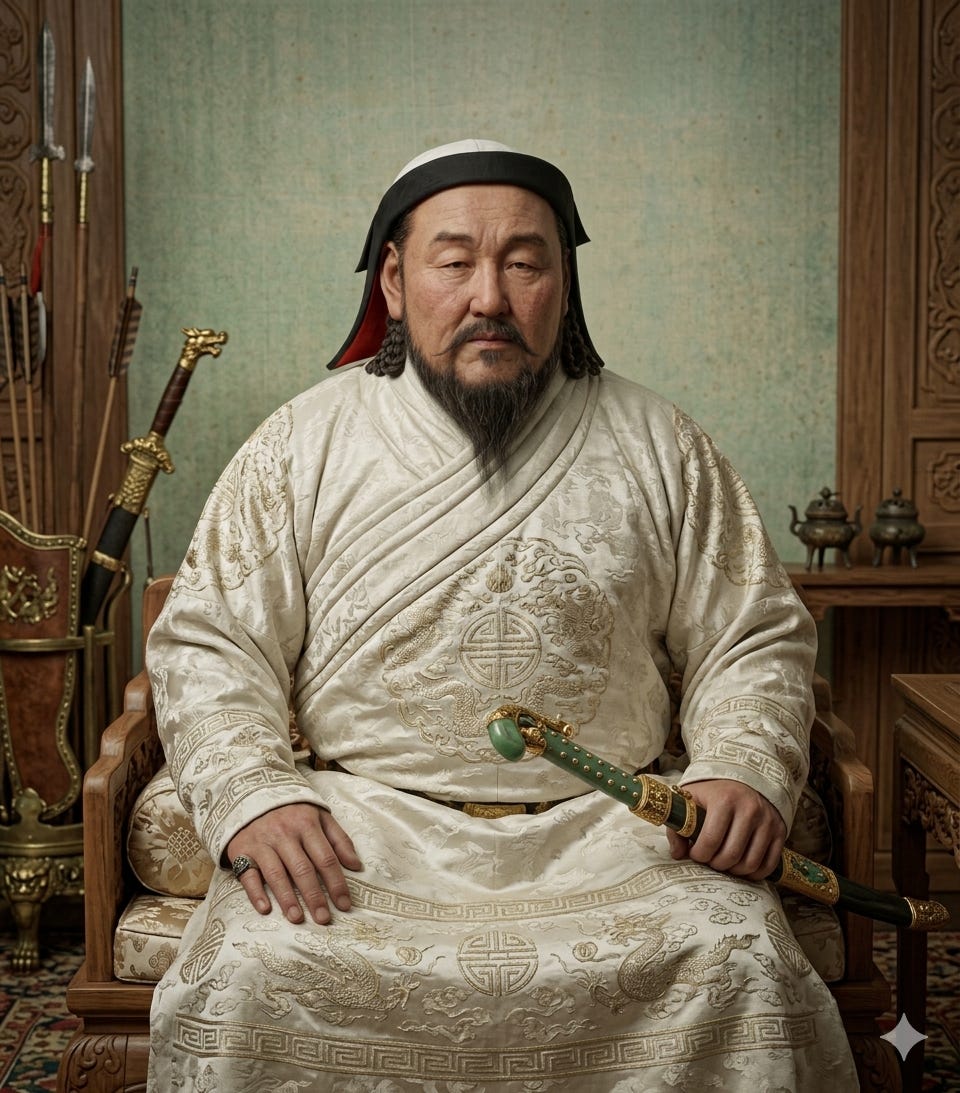
The Mongol conquests of the 13th century opened up routes for trade and travel between West and East, but trade and travel go both ways and the Mongols were just as interested in what was happening in Europe as Europeans were about learning how the khan maintained such a large number of concubines who all smelled good. (It’s in the Marco Polo episode if you want to know.)
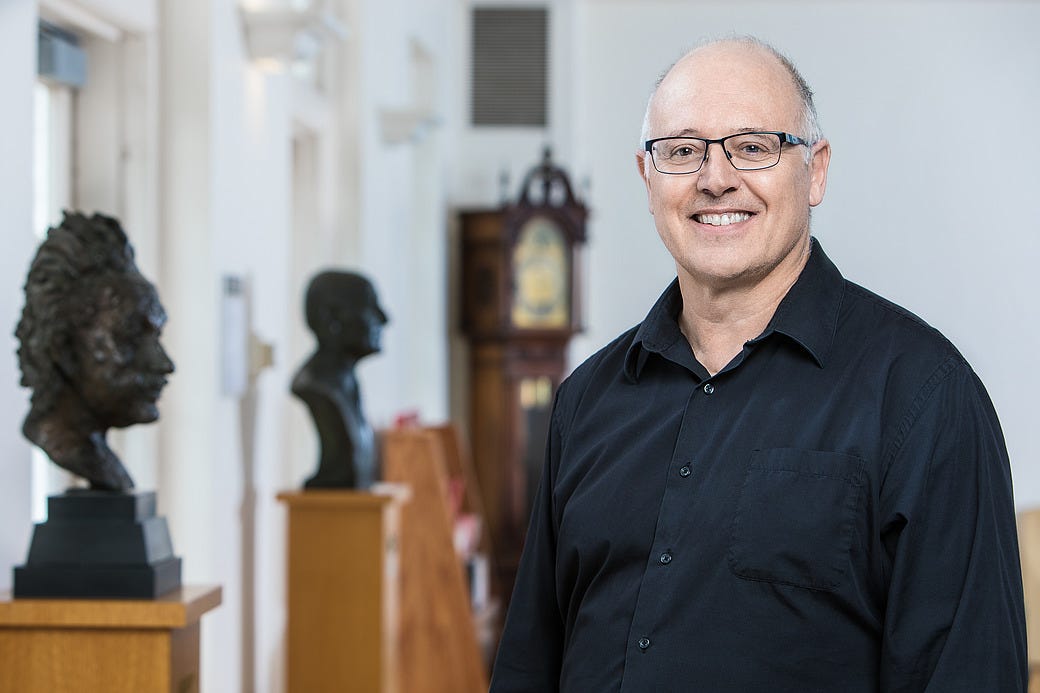
In this episode, we sit down with Nicola Di Cosmo, Professor of East Asian Studies at the Institute for Advanced Study in Princeton and the co-author (with Lorenzo Pubblici) of Venice and the Mongols: The Eurasian Exchange that Transformed the Medieval World, out now from Princeton University Press. Nicola explains how Marco and the other Polos’ journey fits into the larger context of Venetian expansion, Mongol diplomacy, and the centuries-long feud between Venice and Genoa.

We discuss how the Mongols were the ones who discovered Europe, not the other way around. Why Marco, one of history’s most famous travellers, returned home from China just as Venice was expanding its economic and political ties with the Mongols and chose to stay close to home, promoting his book and investing in canal-side real estate. Finally, we consider how a slap to the face of a Venetian merchant at a Black Sea trading post might have been responsible for the Black Death reaching Europe.


