

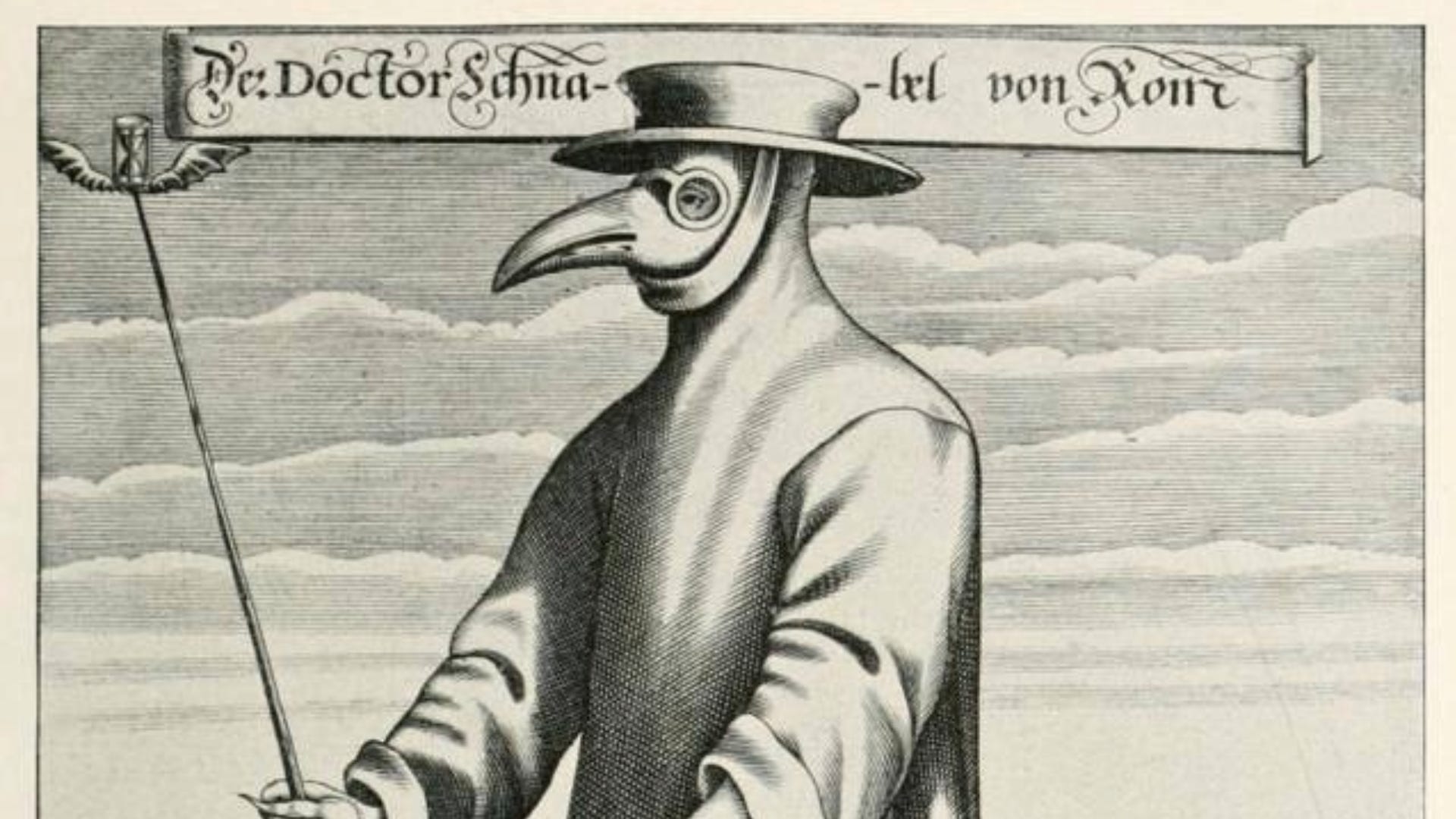
One victim drowns in their own blood. Another is buried alongside four of his siblings, all from the same family. Yet more are burned rather than being sent back home for a proper burial, doomed to wander the earth as lonely ghosts. And in one of the most gruesome accounts of all – some victims are turned into human ammunition, flung over the walls of a Genoese fortress to spread terror among those within.
And yet this stealthy killer was able to travel across the globe, undetected, for more than 500 years.
That’s because history’s deadliest traveller wasn’t a person, but the plague – and it was only when an awkward Swiss man named Alexandre Yersin decided to take matters into his own hands in Hong Kong in 1894 that the culprit was finally identified.
In the centuries that preceded him, people around the world could only guess at the cause of their misery – and when you don’t understand what’s killing you or why, you’re powerless to stop it.
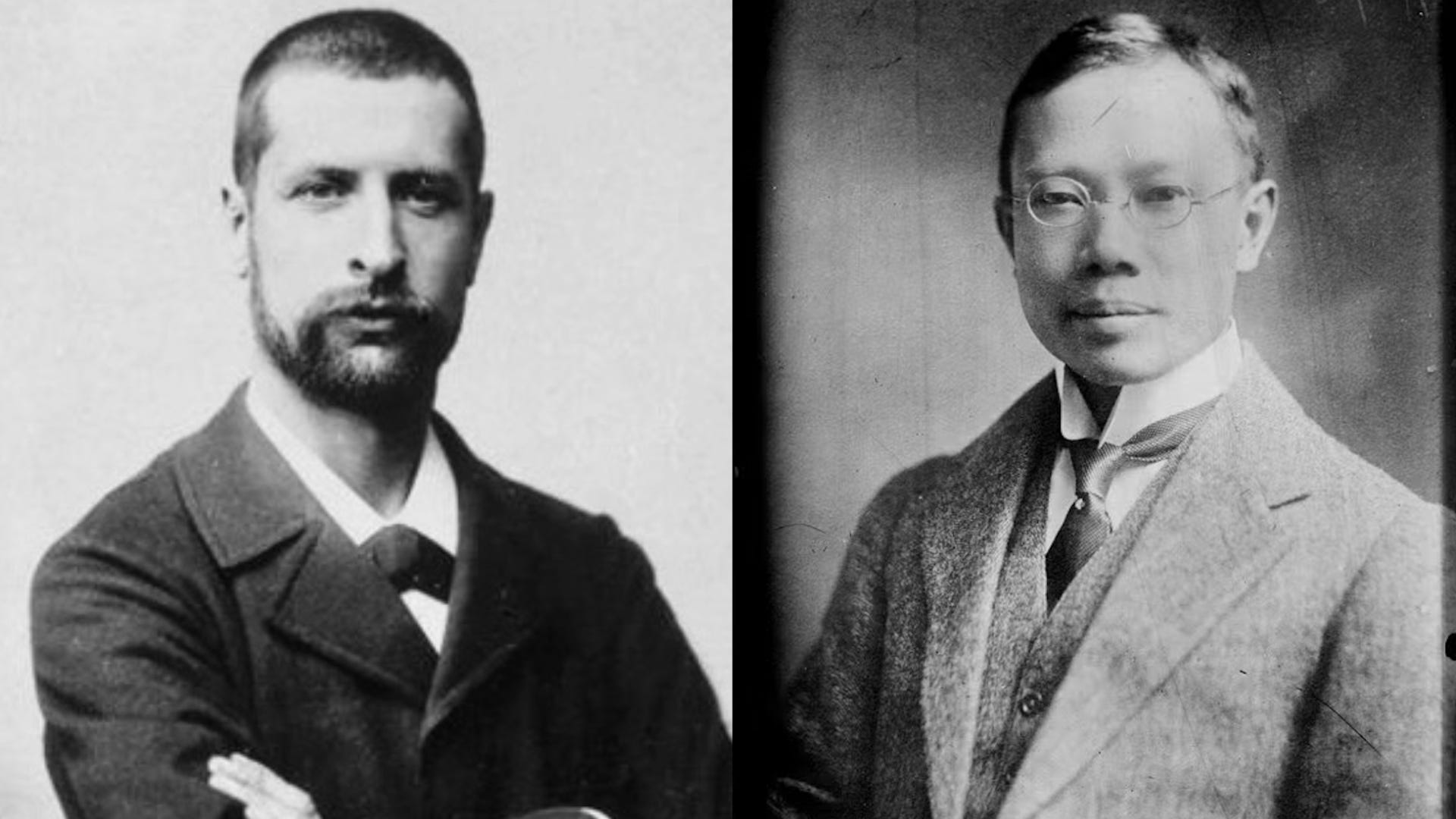
Just 16 years after Yersin’s breakthrough, the killer returned, but this time in a different guise, picking people off one by one in Harbin, northern China. Another out-of-town scientist, Wu Liande, suddenly found himself in a race against time to understand exactly how this deadlier form of the disease was spreading along the country’s new railway lines – and, against the advice of others, made a discovery that still protects us today.
Join Sarah and Jeremiah for this special Halloween episode of By Their Own Compass, as we tell the story of history’s deadliest traveller, and the two men who put their own lives on the line to stop its reign of terror.
In this episode, Sarah and Jeremiah discuss:
The siege of Caffa, where a Mongol army is said to have catapulted plague-ridden corpses over the city walls, and whether this really unleashed the Black Death
The Black Death and its effect on the medieval population of Europe, including the first-hand account of Italian shoemaker Agnolo the Fat
Alexandre Yersin’s race to identify the plague bacterium in Hong Kong in 1894, despite being shut out by a better-equipped Japanese team led by Kitasato Shibasaburō
How Wu Liande uncovered the airborne spread of pneumonic plague in Harbin, and the French rival who ignored his advice to wear a mask
Whether the marmots of the Manchurian steppe could be the plague’s hidden reservoir, and why rats and fleas may not be the whole story
Dark-tourism spots for plague history, from Hong Kong’s Tai Ping Shan to Edinburgh’s Mary King’s Close, Venice’s Festa della Salute and the Sedlec Ossuary
The rats were the real influencers
Follow us on Instagram and help us go (safely) viral.
Click here to follow us!