



You’re a Jesuit missionary in the 16th century who’s been on a leaky ship for eight months. Every waking moment not spent throwing up over the side of the ship is devoted to learning a new language. Arriving in China, your strategy is as follows: cosplay as a Buddhist monk and impress people with your mastery of maps and mathematics before your audience realizes your Chinese proficiency doesn’t quite match your ambition.
Also, Jesus. If they ask you about Jesus, that would be awesome.
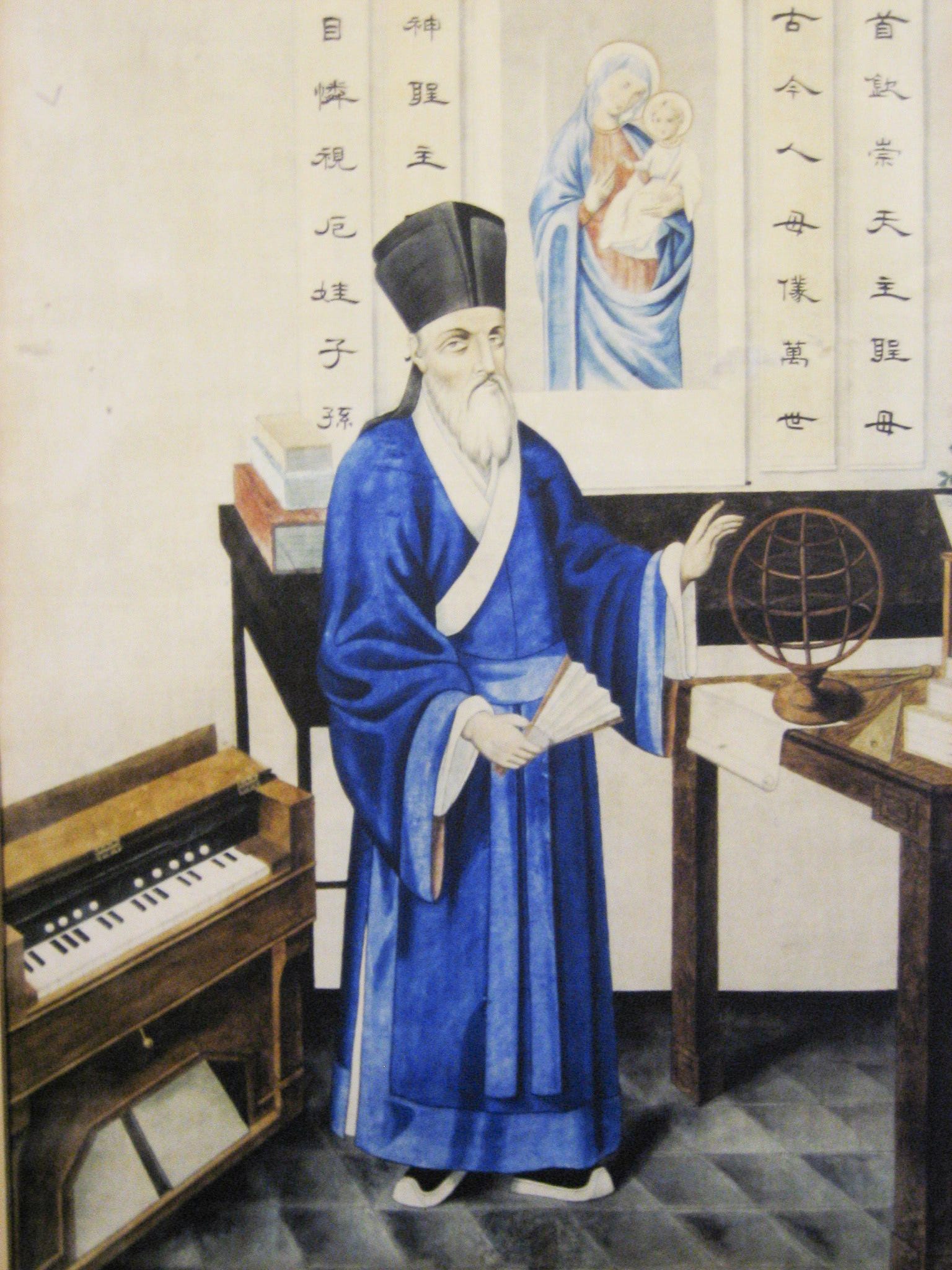
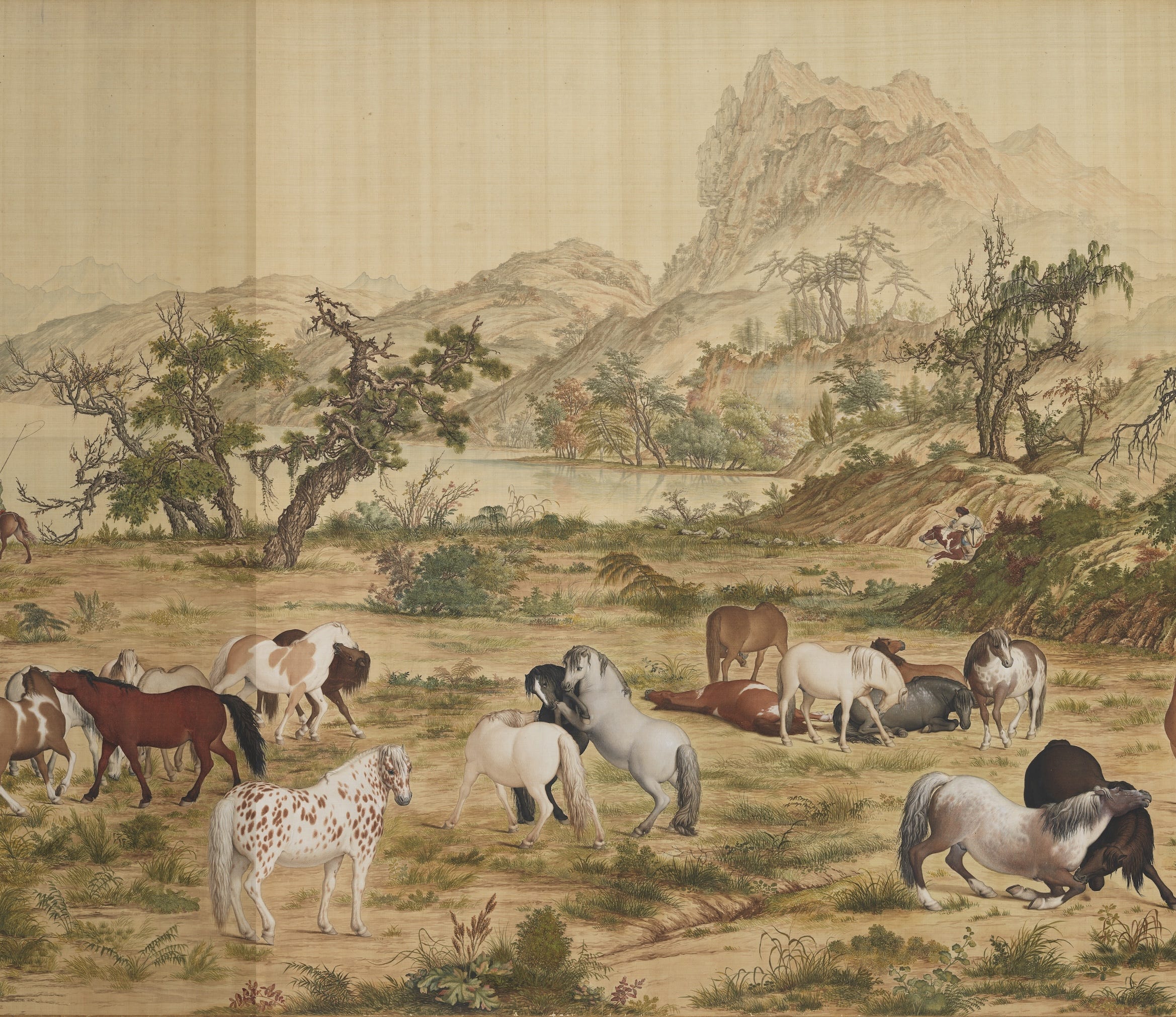
For over two centuries, the Jesuits were all-in on China. They mastered Chinese, translated hundreds of texts, and grew fabulous beards. They spent decades embedding themselves in the culture, appreciating Chinese civilization for what it could teach them, and sharing their knowledge. Matteo Ricci is remembered as the prototype for foreign friends and the guy who always had his hand up in your Chinese class. Adam Schall and Ferdinand Verbiest rearranged Chinese conceptions of time and space. Giuseppe Castiglione painted emperors (and a lot of horses) while helping create a new aesthetic blending East and West.
But it wasn’t all just translations, win-win outcomes, and baijiu toasts to friendship. Ricci had to convince people he was not a body-snatching sorcerer. Schall and Verbiest did a little time in prison. And the inability of Papal representative Charles Maigrot to read the room at Kangxi’s court threatened to undo centuries of goodwill and hard work.
Jeremiah and Sarah sit down to talk about the Jesuits as cultural astronauts, intellectual sojourners, and civilizational crash-test dummies. Why do Chinese historians still give them more credit than the missionaries who came later? How did Europe’s shifting view of the rest of the world twist its mission? And what do their stories tell us about the grit, gamble, and fallout of cultural exchange? Let’s talk about how ideas and people travel and what gets found, lost, and occasionally warped along the way.
WHEN: Wed 15 Oct 2025, 8–9 pm Beijing (CST, UTC+8) | 1–2 pm London (BST, UTC+1) | 8–9 am New York (EDT, UTC−4) (online on Zoom)
HOW MUCH: Free for members of RASBJ (Royal Asiatic Society of Beijing); 50 RMB for members of RAS (Royal Asiatic Society) branches in London, Shanghai, and Hong Kong. 100 RMB for non-members. Alipay may be a more convenient payment method than WeChat. You can also pay by credit card.
HOW TO JOIN THE EVENT: Please click “Register” or “I will attend” and follow the instructions. After successful registration, you’ll receive a confirmation email with a login link. If you seem not to have received it, please check your spam folder.
Members of partner RAS Branches: Please register 72 hours in advance to allow time for membership verification. You’ll receive three emails from RASBJ: the first confirming receipt of your registration request; the second requesting payment; and the third, after you’ve paid, confirming payment receipt with an online login link.
Please check your spam folder to ensure you see all RASBJ emails. NOTE: Non-member registrations that remain unpaid 48 hours prior to the event will be canceled.
Great talk yesterday about about Matteo Ricci and other early Jesuits in China.